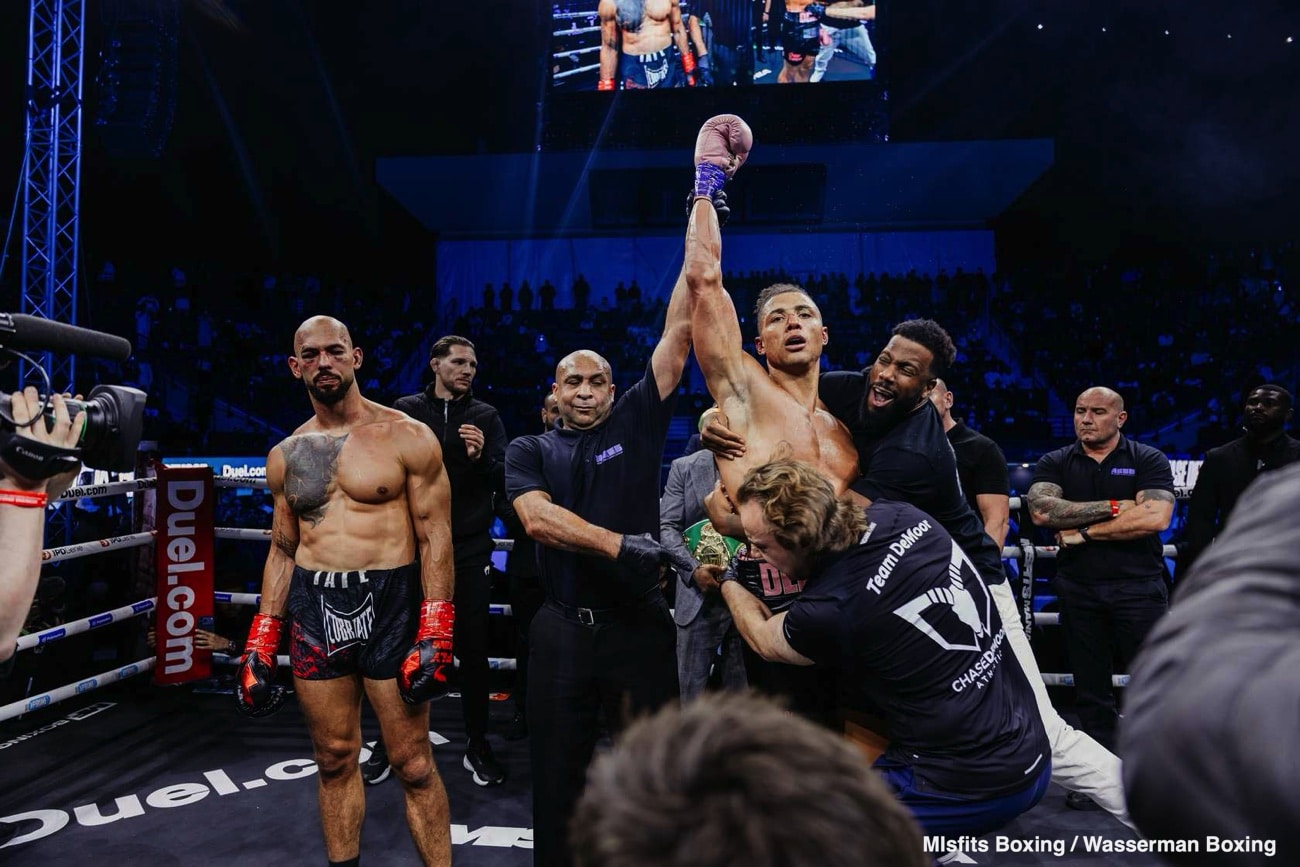
Andrew Tate’s loss to Chase DeMoor at Misfits Boxing last month confirmed what veteran observers already suspected: combat sports credentials fade faster than reputation. A four-time kickboxing world champion returning after six years away, Tate looked every bit the 39-year-old attempting to reclaim relevance in a body that no longer cooperated. The six-round decision defeat wasn’t close, and his explanation for what went wrong speaks more to preparation failures than bad luck.
The Adrenaline Dump and Missing Preparation
Tate claimed during a recent livestream with Sneako that something went wrong immediately. “Bro, I had some weird [issue] where after the first round I just didn’t feel right,” he said. “Maybe I’d been out ten years, he’s a lot bigger than me, but I don’t believe in excuses.”
The phrase “adrenaline dump” has become shorthand for fighters who gas out early, but it rarely happens to properly conditioned athletes. What Tate described (telling his coaches after one round that he knew the next five would be punishment) suggests either inadequate sparring or a cardiovascular base that couldn’t handle fight-night intensity. DeMoor, ten years younger and carrying more size, didn’t need technical brilliance.

Tate acknowledged the strategic error himself. “I probably should have done a warm-up fight,” he admitted when pressed on whether he’d accept a rematch. Fighters returning from extended layoffs typically take tune-ups against lesser opposition to shake off ring rust and test their conditioning. Tate skipped that process entirely and paid for it against an opponent who, despite limited technical polish, had youth and activity on his side.
What Remains
The rematch clause exists, but Tate’s team appears to be stalling. DeMoor is reportedly pursuing former UFC fighter Darren Till instead. If Tate does return, the rumored interim option is Jon Zherka, another streaming personality with even less boxing experience than DeMoor. That’s not a step up. It’s damage control.
At 39, with a six-year layoff and a body that quit after six minutes, the path forward requires more than bravado. The decision to debut at Misfits Boxing reflects his current standing: monetizing his name in an environment where losses don’t carry the same weight they do in traditional boxing. That’s reasonable business, but it doesn’t erase what the DeMoor fight exposed. Time away compounds faster than most fighters expect.
